
What Does Bipolar Anger Feel Like: 5 Signs You Need a Self-Test How Are Anger and Rage Connected?

Many people searching for terms like “bipolar rage” are actually experiencing severe emotional dysregulation and mood instability. In my clinical practice, I often observe that patients come in terrified. What Does Bipolar Anger Feel Like
They feel immense guilt over their outbursts, assuming their anger is a permanent flaw in their personality. However, it is crucial to understand that bipolar disorder is highly episodic, not a personality-based condition.
In clinical settings, anger is often the most misunderstood and stigmatized symptom of bipolar spectrum conditions. By recognizing how these explosive emotions connect to your underlying neurobiology, you can begin to separate your true self from the symptoms of the disorder.
Could You Have Bipolar Disorder?
When assessing whether you might have bipolar disorder, it is essential to look beyond the stereotypes of extreme mania and deep depression. The core symptoms often manifest as subtle, yet highly disruptive, shifts in your daily functioning.
Early warning indicators frequently include a sudden, drastic reduction in your need for sleep without feeling fatigued. You might also notice a sharp spike in irritability, where minor inconveniences suddenly feel like catastrophic offenses.
Impulsivity is another critical symptom, often presenting as reckless spending, sudden relationship decisions, or abrupt career changes. A self-test is appropriate when you notice recurring patterns of this mood instability disrupting your life.
If you find yourself repeatedly trapped in relationship conflict patterns that seem to escalate out of nowhere, an evaluation is warranted. While online quizzes cannot diagnose you, they are excellent starting points for self-reflection.
Is Anger a Symptom of Bipolar Disorder?

Patients frequently ask me, “Is anger a symptom of bipolar disorder?” Strictly speaking, anger is not a core diagnostic criterion in the DSM-5, but it is an incredibly frequent associated symptom.
Anger typically surfaces during specific phases: manic episodes, depressive irritability states, and highly volatile mixed episodes. During a manic or hypomanic episode, your brain experiences a massive surge of dopamine and norepinephrine.
This neurochemical flood puts your nervous system into overdrive, making your baseline state feel highly agitated and restless. When this intense internal momentum is blocked by a person or a situation, the brain reacts with immediate hostility.
In a mixed state—where manic energy collides with depressive negativity—anger becomes a desperate manifestation of internal suffering. Anger in bipolar disorder often appears as prickly, defensive irritability rather than constant, unprovoked rage.
As a clinical psychologist, I constantly monitor my patients’ sleep hygiene because it directly controls their emotional regulation.
When a patient with bipolar disorder loses even a few hours of sleep, their circadian rhythms instantly destabilize, suppressing the prefrontal cortex.
Without this regulatory center online, the brain’s “irritability switch” flips permanently to the “on” position, making explosive anger nearly inevitable the following day.
Bipolar Anger vs Normal Anger
Understanding the difference between bipolar anger and normal anger requires looking deeply at the brain’s structural responses. Normal anger is generally a proportionate, situational response to a clear external trigger, like a boundary violation.
In contrast, bipolar-related anger is intensely state-dependent, meaning it is driven by an internal neurochemical shift rather than an external event. When an episode begins, your brain’s executive function becomes severely compromised.
The prefrontal cortex loses its ability to filter emotional impulses, leaving the amygdala (the emotional center) completely unchecked. Because of this structural disconnect, bipolar anger escalates unpredictably and is wildly disproportionate to the actual trigger.
A minor disagreement about washing dishes can instantly feel like a profound, life-or-death betrayal to the nervous system. Furthermore, because the brain is bathed in excitatory neurotransmitters, the physiological recovery time is drastically prolonged.
While normal anger might dissipate after a few deep breaths or a quick walk, bipolar anger can trap the nervous system in a state of high alert for hours or even days.
This chronic state of arousal physically exhausts the body and severely strains the brain’s neuroplasticity, making future emotional regulation even harder.
| Feature | Normal Anger | Bipolar-Related Anger |
| Trigger | Situational and logical | Often an internal, rapid chemical shift |
| Duration | Short-lived, resolves easily | Can escalate unpredictably for hours/days |
| Intensity | Proportional to the event | Highly disproportionate and overwhelming |
| Recovery | Quick return to baseline | Prolonged, requires nervous system reset |
Bipolar 2 Anger and Irritability Explained
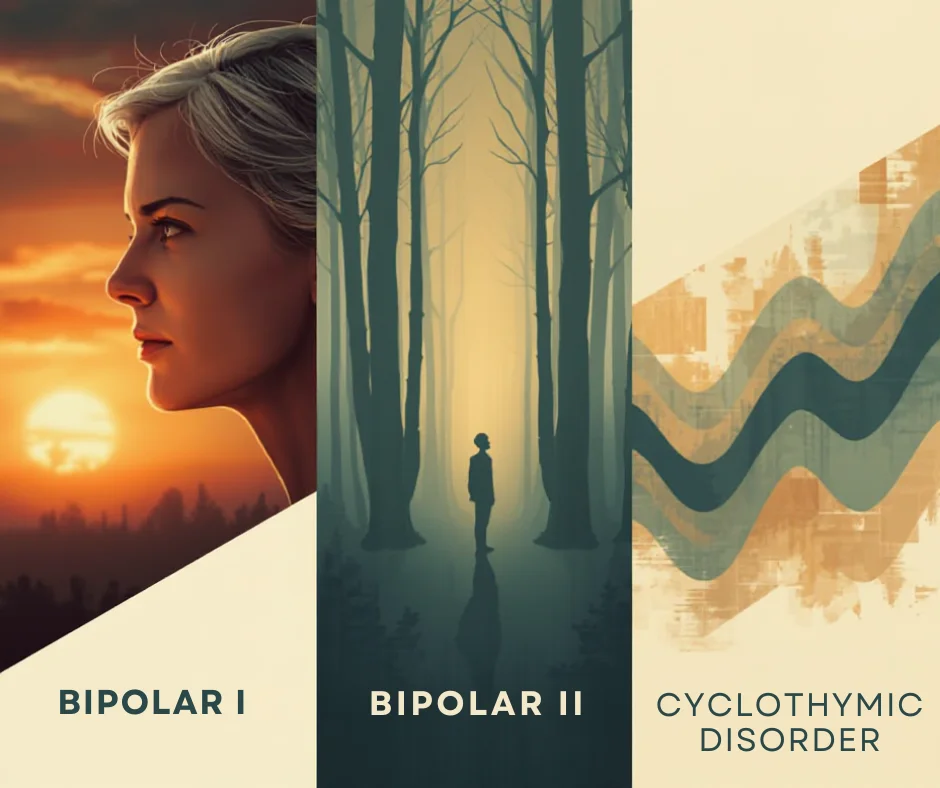
When we discuss bipolar 2, anger and irritability are highly specific presentations of the disorder. Bipolar II is characterized by deep depressive episodes alternating with hypomania—a milder form of mood elevation.
In Bipolar II, irritability is often far more prominent than the stereotypical euphoric “high” associated with Bipolar I. Patients frequently experience severe emotional reactivity combined with an incredibly low frustration tolerance.
Let me share the story of a patient I will call “Mark,” who came to my practice convinced he had intermittent explosive disorder. He described weeks where he felt like his skin was “buzzing,” causing him to snap viciously at his wife over trivial matters.
Upon assessment, we realized these “angry weeks” coincided precisely with a decreased need for sleep and racing thoughts. Mark was not fundamentally an angry person; he was experiencing severe bipolar II hypomanic episodes.
By implementing Interpersonal and Social Rhythm Therapy (IPSRT) to stabilize his routine and adding a mood stabilizer, Mark’s “rage” virtually disappeared. Many Bipolar II patients describe feeling snappy, overstimulated, and trapped in their own minds rather than euphoric.
What Is Bipolar Rage and Why Does It Happen?
When emotional dysregulation reaches its absolute peak, patients often search for terms like “What Does Bipolar Anger Feel Like?” Bipolar rage is defined as an intense, rapid emotional escalation that occurs uniquely during acute mood episodes.
It happens because the brain’s braking system has entirely failed due to a mixed affective state or severe sleep deprivation. During these episodes, the autonomic nervous system goes into acute distress, flooding the body with adrenaline.
This leads to observable physical signs: severe muscle tension, physical agitation, and what loved ones often call “bipolar rage eyes.” This intense, unblinking eye contact is actually a biological marker of a highly activated sympathetic nervous system.
It is vital for both patients and families to understand that these rage attacks are symptoms of neurochemical overload. They are strictly episodic events, not permanent character traits or reflections of the person’s true emotional baseline.
Can Bipolar Make You Aggressive or Violent?
A common, highly stigmatizing question is whether bipolar disorder makes a person aggressive. The clinical reality is that aggression is an episodic risk, not an inherent trait of the individual.
Most people living with bipolar disorder are never violent. When aggression does occur, it is almost exclusively during severe, untreated acute episodes.
During an extreme manic state, the brain’s executive function completely collapses under the weight of excessive neurotransmitters. The individual loses the ability to foresee consequences or control their behavioral impulses.
Risk factors heavily influence this outcome. High rates of aggression are usually correlated with severe sleep deprivation, underlying trauma, or concurrent substance use, which further destabilizes the brain’s regulatory centers.
Bipolar Rage Toward Family and Relationships
When emotional dysregulation peaks, bipolar anger towards a spouse or parents is unfortunately common. The home environment is where the individual feels safest, so it often absorbs the brunt of the episode.
During a mood episode, the brain frequently misinterprets the facial expressions and intentions of loved ones. A neutral comment from a spouse might be processed by a hyperactive amygdala as a severe, malicious attack.
This leads to rapid emotional escalation and, in severe cases, verbal abuse. The communication breakdown during these episodes drastically impacts the foundation of trust and emotional safety within the home.
In my practice, I often hear the same painful observation from spouses. Family members often describe feeling like they are interacting with a completely different version of the person during an acute mood episode.
Dealing With Bipolar Anger Outbursts
If you are the one dealing with bipolar anger outbursts, your immediate priority is physiological downregulation. You cannot reason your way out of a neurochemical surge.
The first step is to implement a strict “pause” and immediately remove yourself from environmental stimulation. Step into a quiet, dimly lit room to stop feeding your nervous system new data to process.
Next, utilize grounding techniques and paced breathing to force your heart rate down. Lengthening your exhales physically signals to your brain that the immediate threat has passed, encouraging your prefrontal cortex to come back online.
Finally, build a safety plan with your loved ones during your stable periods. Agree on a “safe word” that signals you need immediate space and time separation without any ensuing arguments.
How to Deal With Someone in a Bipolar Rage

Learning how to deal with someone in a bipolar rage requires immense patience and boundary setting. Your primary goal is to avoid escalating the conflict.
Never attempt to logically argue, correct, or yell over someone in an acute episode. Their logical brain is temporarily offline, and confrontation will only pour gasoline on the fire.
Maintain a remarkably calm, low-volume tone and actively reduce environmental stimulation by turning off the TV or dimming lights. Validation without escalation is key during acute emotional episodes.
You can say, “I see how upset you are, and we will talk about this when things are calmer.” If you feel physically unsafe or the verbal abuse escalates, clearly enforce your boundaries by leaving the room or the house.
Bipolar Anger Recovery Time
Patients often ask about bipolar anger recovery time to understand when they will feel “normal” again. The duration varies wildly depending on the severity of the underlying episode.
Brief irritability spikes may only last minutes to a few hours if the person is generally stable. However, if the anger is tied to a full manic or mixed episode, the volatility can last for days or weeks.
Recovery time is heavily influenced by how quickly you can restore your circadian rhythms. Securing deep, uninterrupted sleep is the fastest way to clear excess cortisol and adrenaline from your system.
It is vital to remember that this rage is episodic, not permanent. With the correct medication adjustments and stress reduction, the episode will eventually break, and baseline functioning will return.
How Long Does Mania Last in Bipolar Disorder?
To understand anger, we must answer the following: how long does mania last in bipolar disorder? By clinical definition, a true manic episode (Bipolar I) lasts at least seven consecutive days.
However, without clinical intervention, severe mania can persist for several weeks or even months. Hypomania (Bipolar II) must last at least four consecutive days, though it frequently stretches longer.
The longer a manic episode lasts, the more likely it is to degrade into severe irritability and paranoia. Early intervention is critical to stop the episode before the brain’s regulatory systems completely exhaust themselves.
What Is It Like to Live With Bipolar Disorder?
When explaining what it is like to live with bipolar disorder, I focus on the intense emotional cycling experience. It is a profound unpredictability of energy and mood.
Patients often struggle to build a consistent identity because their capabilities change drastically depending on their neurochemical state. It severely impacts work consistency and romantic relationships.
Many individuals describe living with bipolar disorder as trying to navigate shifting internal weather systems. You must constantly adjust your sails, knowing a storm could form even when the sky currently looks clear.
Frequently Asked Questions
Anger as a Bipolar Symptom?
While not a primary diagnostic criterion, severe irritability and sudden anger are incredibly common secondary symptoms. They typically manifest when manic energy is blocked or during the chaotic neurochemistry of a mixed episode.
Possibility of Rage Attacks?
Yes, bipolar disorder can cause rage attacks, particularly during mixed affective states or severe sleep deprivation. These attacks are biological responses to nervous system overload, not intentional malicious behavior.
Duration of Bipolar Anger?
Bipolar anger can last anywhere from a few hours to several weeks. Its duration is directly tied to the length of the underlying manic or depressive episode and how quickly sleep can be restored. What Does Bipolar Anger Feel Like?
Controlling Bipolar Anger?
During an acute episode, willpower alone cannot control bipolar anger due to prefrontal cortex impairment. However, patients can manage it through preventative medication, strict routines, and learning to step away before escalation occurs.
Triggers for Bipolar Rage?
The most common triggers are severe sleep disruption, high-stress environments, and overstimulation. Substance use and missing prescribed psychiatric medications are also major catalysts for explosive mood shifts.
Conclusion
In my practice, the most profound moment of healing often occurs when a patient finally realizes their bipolar anger is a medical symptom, not a permanent stain on their character. Living with emotional dysregulation is exhausting, but you are not fundamentally broken or inherently violent.
When your executive function is compromised by a manic or mixed episode, your brain temporarily loses its ability to. What Does Bipolar Anger Feel Like? Understanding this neurobiological reality is the first step toward removing the crushing weight of shame that so often accompanies this disorder.
You have the power to change your trajectory. By rigorously protecting your circadian rhythms, strictly managing your sleep hygiene, and actively engaging in targeted psychotherapy, you can help your nervous system heal and prevent future episodes from escalating into rage.
Disclaimer
The content provided in this article is for informational and educational purposes only. It is not intended to be a substitute for professional medical advice, diagnosis, or treatment.
Always seek the advice of your physician or other qualified mental health provider with any questions you may have regarding a medical condition.
Authoritative References
Related Posts





Subscribe to Our Newsletter
Get mental health tips, updates, and resources delivered to your inbox.
MORE from Author
Read More In my practice as a clinical psychologist, I often observe that the difference between a patient who crumbles under pressure…
- We all have "up" days and "down" days. Perhaps you feel energized after a promotion or sluggish on a rainy…


 To define bipolar disorder accurately, we must look at it as a chronic mood dysregulation condition. In psychology and medicine,…
 To answer whether bipolar fits the bill, we first have to define what a neurodivergent person actually is. The term…

Are you looking for a Therapist?
Connect with qualified mental health professionals who understand
bipolar disorder, mood changes, and emotional challenges.
Private • Supportive • Confidential