

 Medically reviewed by
Seroquel medication is also known by the generic name quetiapine.
Many bipolar medications are known by more than one name.
The generic name is the chemical name without any brand marketing attached. So, “quetiapine” refers to the actual chemical drug – a fumaric acid salt which affects the human brain neurotransmitters serotonin and dopamine.
However “Seroquel” is the brand name used by the manufacturer Astra Zeneca, who hold the drug’s patent.
1
There is also another version known as Ketipinor made by Orion Pharma.
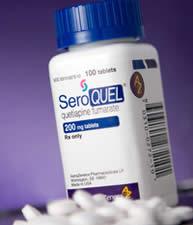
So what is Seroquel?
It is an atypical anti-psychotic originally developed to treat schizophrenia – not bipolar disorder.
Does it matter if Seroquel medication was not originally intended as a treatment for bipolar disorder?
Well, yes and no! The distinction between categorizing a drug as an “anti-psychotic” as opposed to a “mood stabilizer” can be a very fine line.
Some authoritative sources, for example, the Mayo Clinic, dance around this distinction with statements such as:
“Quetiapine is used to treat nervous, emotional, and mental conditions.”
According to Dr Jim Phelps, try Seroquel when:
“1.Depression and agitation are both severe. 2. Severe sleep problems. 3. Anxiety is a significant symptom. 4. No family history of diabetes.”
Seroquel after dark
Unlike almost all of the other bipolar medications, this one lends itself to abuse as a recreational drug.
3 (misuse and abuse of Seroquel)
Because of its calming and extreme sedative effects, quetiapine is actually a common choice for drug abuse.

For example, it is frequently snorted, crushed, or taken via IV, and sometimes it is blended with cocaine.
Recreational users, especially those in the prison system, have found that it is commonly prescribed as a sedative. It is popular with administrators because of its “controlling” properties such as reducing agitation. This makes it far more easily attainable than drugs that are categorized as controlled substances.
Side effects of Seroquel medication
Yes, there are the usual suspects:
Chills/sweats; Dizziness; Sedation; Confusion; Blurred vision; Tummy upsets; Uncontrolled movements; Drooling (seriously!).
However, Seroquel is particularly notorious for causing a lot of weight gain and increasing the amount of sugar in the bloodstream.
4 (weight gain with Seroquel use)
It may also increase cholesterol and fats in the blood.
According to “Defective Drugs”:
“In 2004, four medical societies named Seroquel as one of six anti-psychotic drugs that promote diabetes, obesity or high cholesterol.
In February’s issue of the journal, Diabetes Care, the American Diabetes Association, the American Psychiatric Association, the North American Association for the Study of Obesity, and the American Association of Clinical Endocrinologists warned that Seroquel users should be watched carefully to ensure that they are not developing diabetes.
Additionally, doctors prescribing Seroquel should screen patients carefully for a history of obesity and diabetes in the patient and family, as well as the patient’s weight, blood pressure, and cholesterol levels.
Seroquel manufacturers AstraZeneca have been requested by US regulators to include warnings about the risk of elevated blood sugar and diabetes.”
Conclusion? Seroquel, despite these side effects, can be a great choice for the treatment of bipolar disorder in the right circumstances. It is FDA approved for the treatment of schizophrenia, acute bipolar episodes, as well as an adjunct to an antidepressant in the treatment of major depressive disorder.
However, Seroquel monotherapy is effective for bipolar I or II major depression, based upon multiple meta-analyses of randomized trials that compared quetiapine with placebo.
4-7
One study found that Seroquel in the treatment of bipolar depression has the following effects
8:
- Remission occurred in more patients who received quetiapine vs. placebo
- Reduction of anxiety symptoms was greater with quetiapine
- Remission was comparable for quetiapine doses of 300 mg per day and 600 mg per day
- Improvement in quality of life (satisfaction) was greater with quetiapine vs. placebo
- Remission rates were less for patients with more severe depressive episodes
Therefore, although Seroquel is not a “classic” mood stabilizer, its positive effects in bipolar depression cannot be overlooked – and many providers use it as a first-line therapy for bipolar major depression in patients not already taking an anti-manic drug.
Some folks get great results from Seroquel, but it is critically important to ask your doctor for a thorough explanation of all risks and benefits if they suggest Seroquel as a medication to help treat your bipolar disorder.

2 Comments
I have been on this drug for 4 years at 50 mg with 1500 mg of epival andyes I have weight problem I take two meds to control my hypertension stage 1. No diabetes I eat fruit and vegetables with grains and fish chicken occasionally meat. Bipolar since 13 years old I am 53. No admission to hospital in 4 years so seroquel is working and yes even at 50 mg I get sedation. No I never snorted or took with cocaine or any other Street drugs. I have a act team that watch’s everything I do and belong to a supported Jewish community of which everyone know I am Bipolar. I think the more discloser the better.
Have been on Lithium for 30 years with no problems. My doctor advised that getting older (75 year old male) that kidney function could be compromised. Seroquel was recommended and now on 600 mg nightly having no side effects except a great sleep. Along with the SSRI, Pristiq, I am very stable.